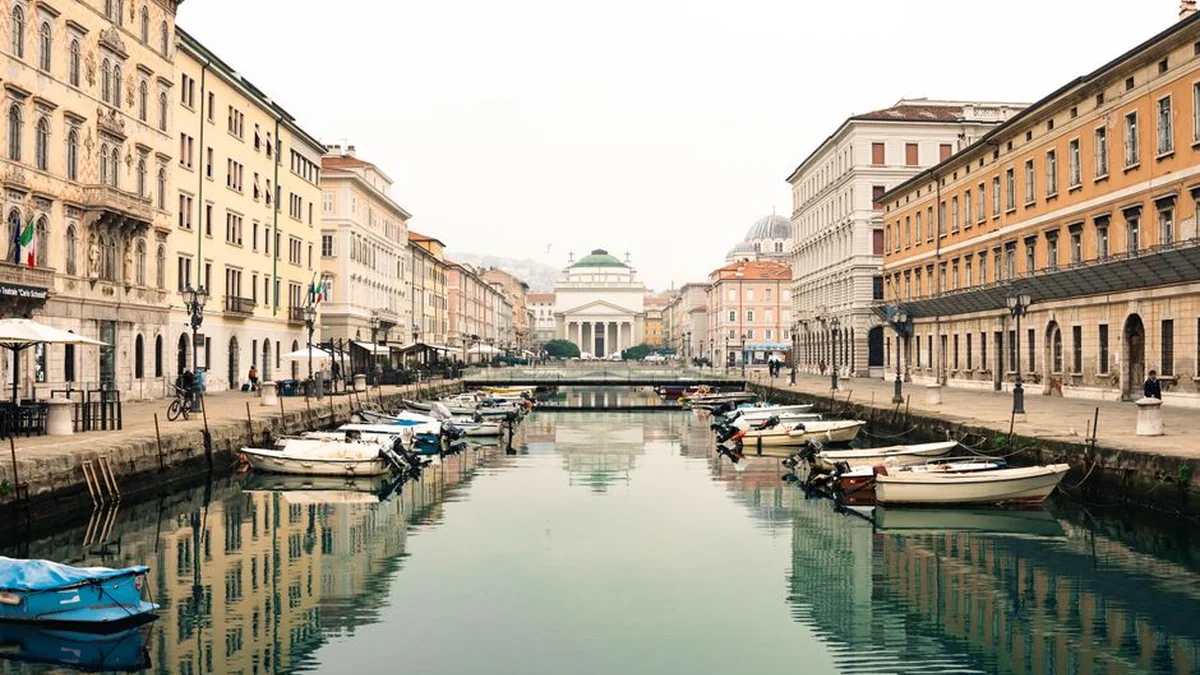
The bathing establishment in Trieste remains a unique cultural fixture, marking itself as the last site in Europe to maintain strict gender separation in public bathing. Accessing the facility requires a ticket costing 1.20 euros, and visitors enter an environment governed by historical regulations that reflect customs from a bygone era. Local residents of Trieste, particularly women, are known for their staunch defense of these established traditions.
Historically, the bathing complex originated around the turn of the 19th and 20th centuries, a period when Trieste served as a primary port for the Austro-Hungarian Empire. During this time, separating genders in public bathing was a widely practiced norm across Europe. While similar physical barriers have been dismantled elsewhere, the division at the Pedocin site has persisted through numerous historical and social shifts.
Historians suggest that the continuation of this separation is largely due to the sustained desire of its patrons. The physical wall dividing the sexes was first erected in the 1950s, signaling a deliberate attempt to preserve the structure. This unique adherence to past customs makes the bathing experience in Trieste both intriguing to outsiders and deeply significant to the local community.
The continued existence of this segregated area represents a tangible connection to the middle decades of the city’s imperial past, drawing attention to the persistence of cultural boundaries.
Topics: #trieste #bathing #middle