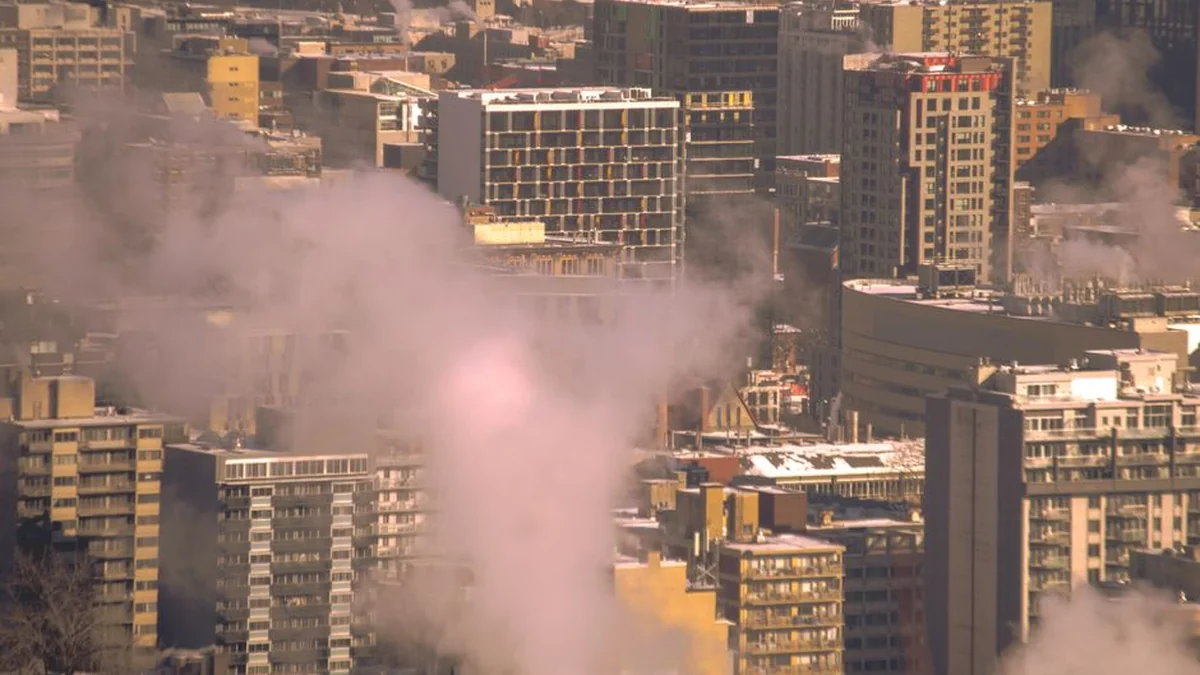
High temperatures pose significant public health risks, particularly in densely populated urban areas. The strain of intense heat is evident in elevated rates of emergency and doctor visits, disproportionately affecting vulnerable populations. These conditions are often worsened by the Urban Heat Island (UHI) effect, which causes cities to accumulate and retain excessive thermal energy.
The UHI phenomenon occurs because the materials common in urban construction—such as asphalt, steel, and brick—are dark and highly efficient at absorbing solar radiation. This absorbed energy is then trapped between tall structures and re-released into the atmosphere, intensifying the surrounding heat. This trapped energy can create conditions that feel intensely severe.
This thermal retention contrasts sharply with natural landscapes. Areas rich in forests, meadows, and rivers manage solar heat differently, absorbing and dissipating energy through natural processes. Conversely, the infrastructure of modern cities often prevents natural cooling mechanisms, such as the free flow of water, which normally moderates ambient temperatures.
Because urban environments are built predominantly from heat-absorbing materials and impede natural cooling, the resulting extreme heat can create conditions that are dangerously intense. Understanding these physical dynamics is crucial for mitigating the health risks associated with increasingly hot climates in metropolitan areas.
Topics: #cities #heat #hellish