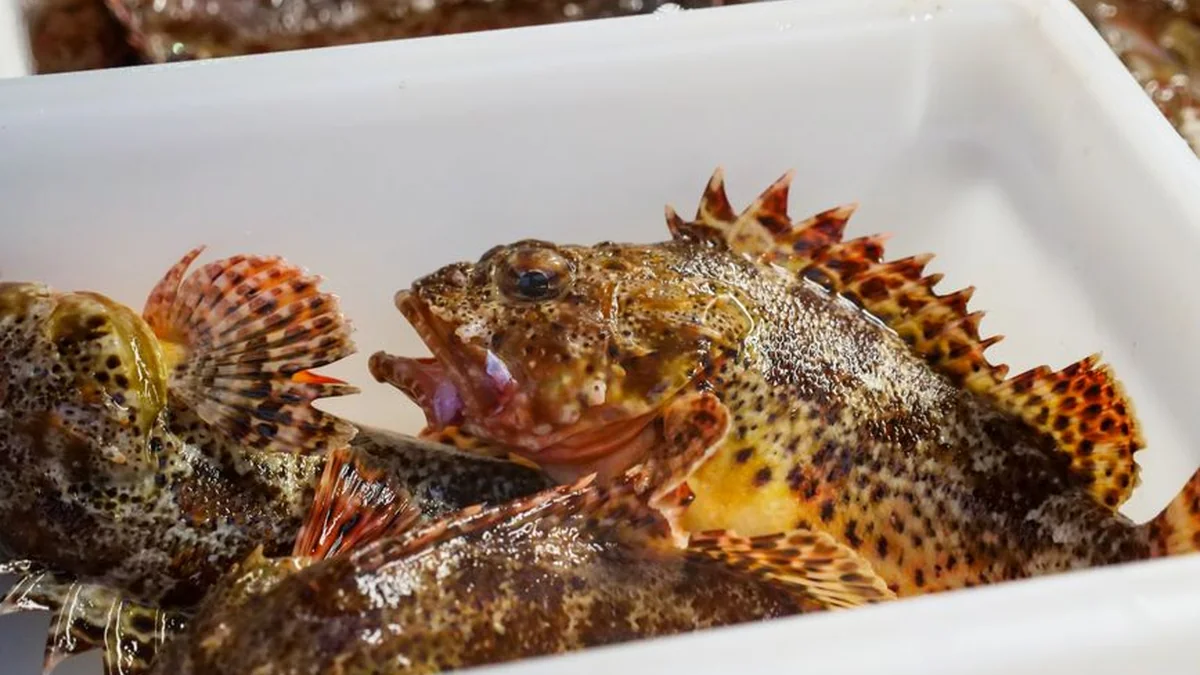
Greece has instituted a financial support program for local fishermen in response to the increasing presence of the toxic silver gurnard throughout the Mediterranean Sea. This measure addresses the spread of the species, which is reportedly moving northward due to rising sea temperatures linked to climate change. The silver gurnard is identified as an invasive species whose proliferation poses ecological and potential health concerns.
Characterized by a torpedo shape and teeth resembling human dentition, the fish’s skin and internal organs contain a potent neurotoxin. Ingestion of this toxin has the potential to cause severe cardiac failure in humans. Authorities have issued advisories confirming that while the gurnard is spreading, it has not been observed near popular swimming beaches.
Nevertheless, the government’s decision to provide compensation to fishermen suggests an effort to manage the population of this increasingly prevalent fish. The movement of the toxic gurnard is directly attributed to warming Mediterranean waters, making its presence a notable indicator of broader climatic shifts. The financial aid aims to incentivize the collection and removal of the species by commercial fishermen, thereby assisting conservation efforts while supporting the local fishing economy.
This initiative highlights the intersection of climate change impacts, marine biodiversity, and necessary economic support for coastal communities.
Topics: #toxic #fishermen #gurnard