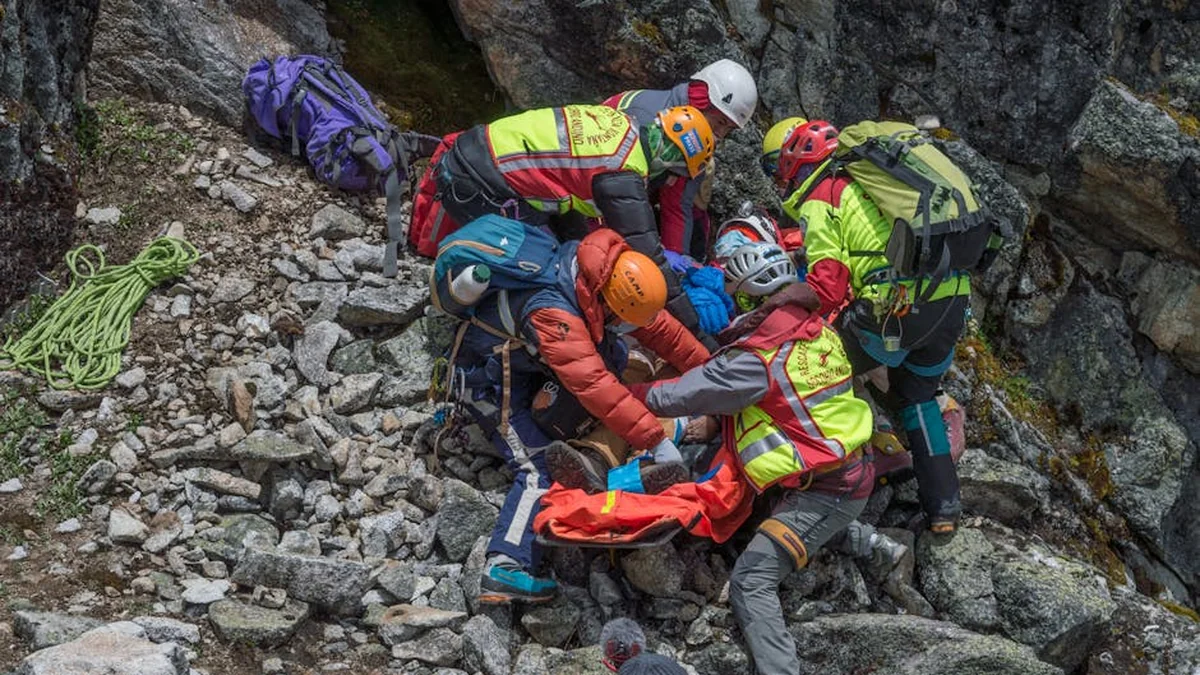
The majority of foreign insurance companies lacked direct access to comprehensive details regarding the events unfolding within the remote Himalayas. Numerous reports within the rescue operation stemmed from deliberately fabricated emergency calls. These calls originated from various sources, including mountain guides, travel agencies, helicopter rescue services, hospitals, medical professionals, and local insurance agencies.
Nepalese police identified two distinct patterns associated with these deceptive calls. One involved tourists who, upon descending from the summit of Mount Everest, were unable to continue walking to base camp. This descent can take up to two weeks.
Guides then offered a deceptive solution: they suggested the tourists feign illness and requested a helicopter rescue, promising to handle all subsequent arrangements. This tactic frequently resulted in costly helicopter evacuations. The guides exploited the situation, capitalizing on the tourists’ vulnerability and the potential for expensive insurance claims.
The situation highlighted a concerning trend of fabricated emergencies impacting the rescue efforts and the insurance process for these vulnerable tourists.
Topics: #insurance #tourists #rescue