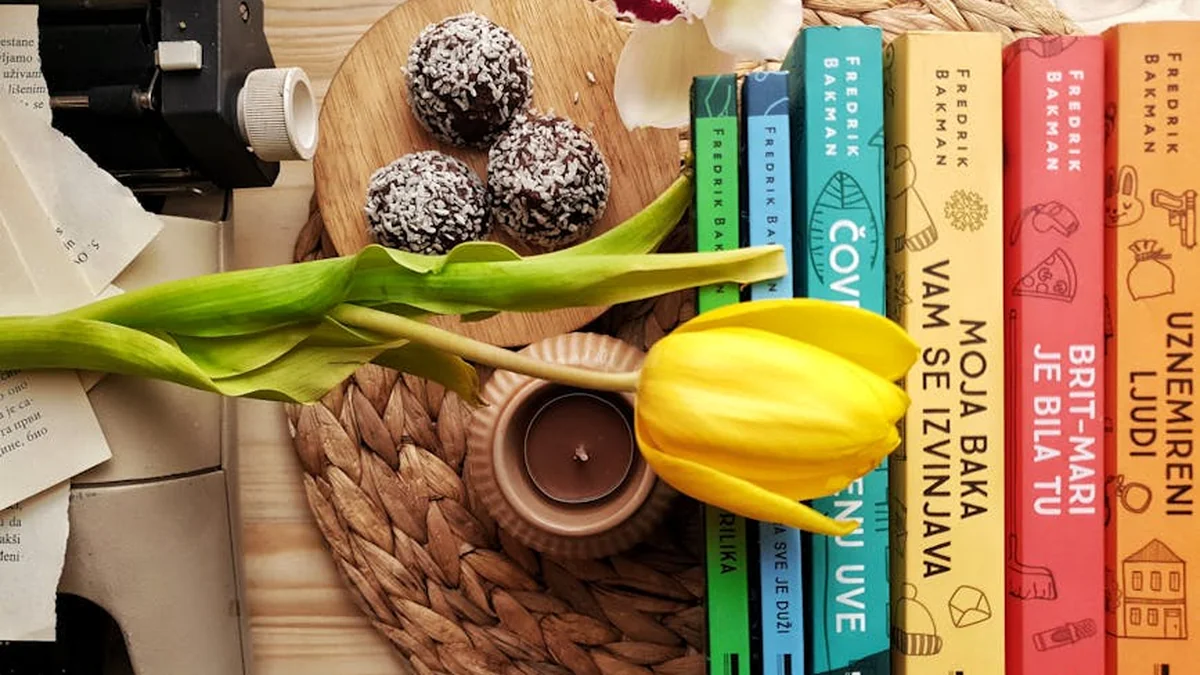
Chocolate’s journey from a bitter Aztec drink to a global favorite began in the 16th century when the Spanish introduced it to Europe. Initially, the cacao beans were consumed as a spiced beverage, often mixed with chili peppers, mirroring the Aztec tradition. Spanish chefs gradually incorporated sweeter elements like cinnamon, sugar, and vanilla, transforming the drink’s flavor profile.
For nearly a century, the Spanish closely guarded this evolving recipe, controlling trade and production to maintain exclusivity. Today, chocolate remains a significant influence in culinary arts, inspiring chefs and pastry chefs worldwide to experiment with diverse flavor combinations. In recent years, the small Slovenian village of Radovljica has gained prominence due to its annual Chocolate Festival.
The festival, established a decade ago, showcases the village’s dedication to chocolate and its production.