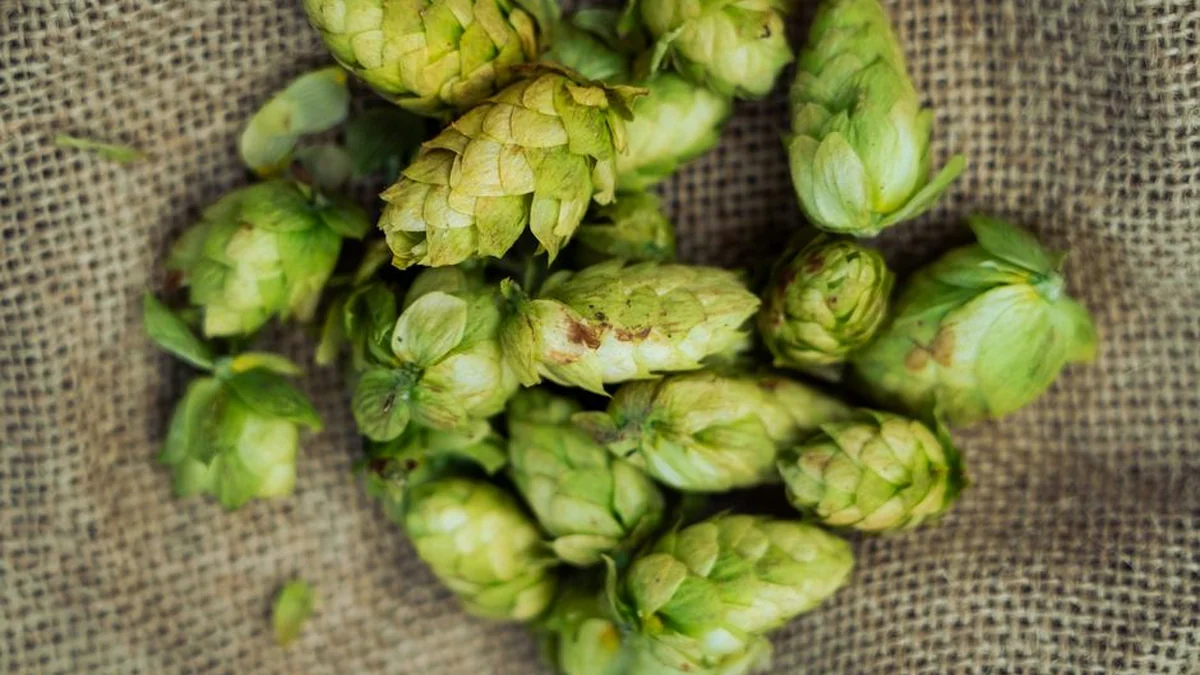
According to hops specialist Blaž Dimič, this year’s heat wave impacted the hop planting stage, though the effect was less severe than in the previous year due to the later timing of the extreme weather. While the growth of the hops slowed during the hottest days, the plants transitioned into the flowering phase more rapidly. Nevertheless, Dimič noted that the resulting consequences are not as pronounced as those observed during the same period last year.
The overall situation across the country, he stated, is characterized by uneven rainfall distribution. Drought stress is most evident in uncultivated plantings, where the lack of precipitation causes growth to slow significantly. Conversely, the majority of Slovenian hop plantings, accounting for approximately 80 percent, possess irrigation capabilities.
This infrastructure allows growers to mitigate the effects of drought to at least a partial degree. Overall, the specific challenges faced by the hops cultivation this year differ from previous years. While the heat remains a concern, the ability to manage water resources through irrigation provides a buffer that was not as readily available in the past.
This varied environmental pattern dictates the current management strategies for the hop crop across the region.
Topics: #year #hops #according