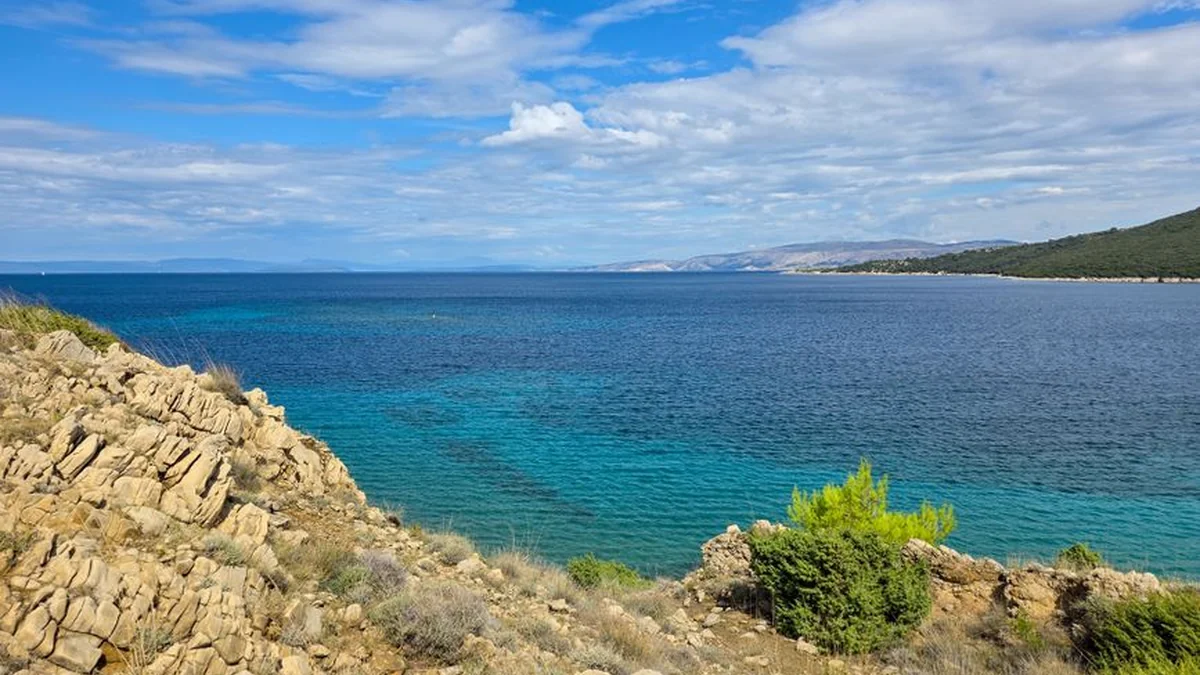
A recent report from the European Environment Agency (EEA) concerning bathing water quality across the EU for 2025 indicated a decline in Croatia’s ranking, moving from fifth to twelfth place. The report noted that the percentage of water designated as excellent quality in Croatia was 86.2%. However, sources suggest that this assessment may not fully reflect the current state of bathing water quality within the country.
A key factor influencing this evaluation is the significant expansion of monitoring efforts in Croatia. Since 2022, the nation has incorporated 113 new measuring points into its monitoring network. This substantial addition represents a considerable enhancement to both the safety assurances for bathers and the overall infrastructure for monitoring water quality.
The assessment process for bathing water quality typically requires continuous monitoring data spanning several years to establish reliable time-series trends. Because the new data from the 113 points are relatively recent additions, they have not yet accumulated the necessary historical dataset for comprehensive evaluation. Consequently, these newly monitored locations remain in an unevaluated category, which is a standard procedure within international water quality assessments.
Therefore, while the EEA report presents a specific ranking, experts point out that the integration of numerous new monitoring points in Croatia signifies an ongoing commitment to improving data granularity and the overall quality assessment of its coastal waters. The evolving nature of the data collection process is crucial for developing a comprehensive picture of the region’s water health.
Topics: #croatia #quality #water