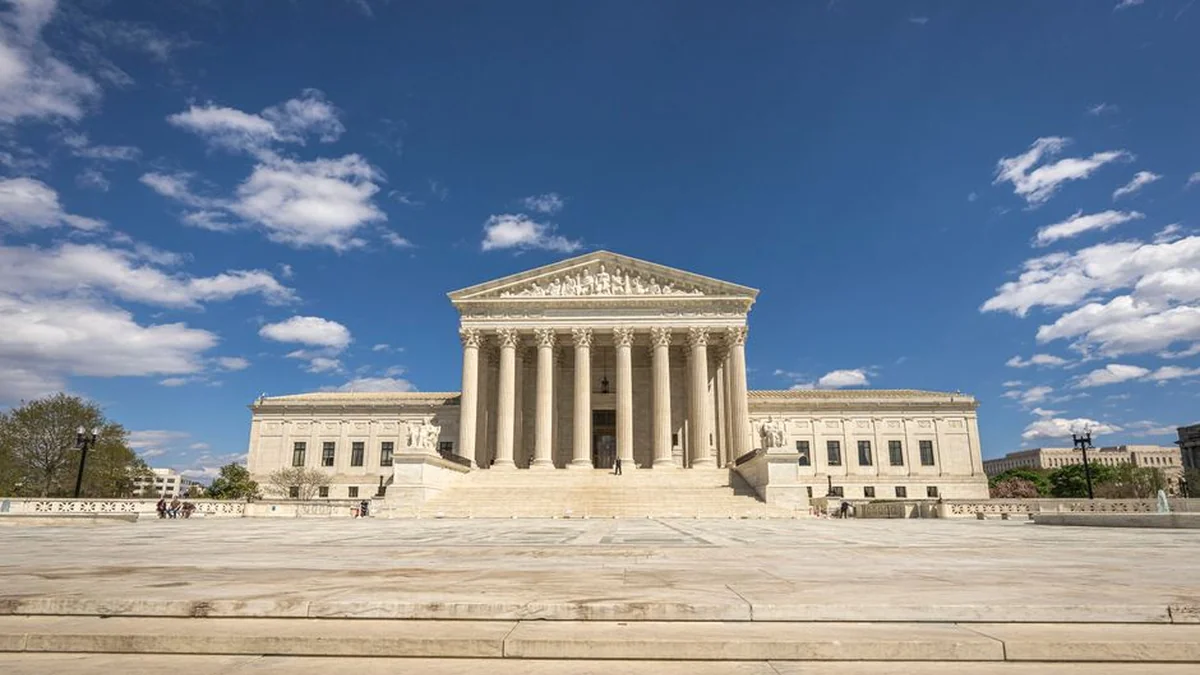
Supreme Court Questions Clarity in Theft Definitions
The Supreme Court has raised concerns regarding the current legal definitions of theft, citing an inconsistency that creates an untenable situation for sentencing. In a request for an evaluation of the constitutionality of existing laws, the court highlighted a lack of clear distinction between theft and misdemeanor offenses. Currently, the criminal code defines theft as both a criminal offense (Article 204) and a misdemeanor (Article 12 of Štajer’s Law).
This dual classification, the Supreme Court argues, allows for the possibility of a misdemeanor offense receiving a fine, while a criminal offense could result in a prison sentence. “The situation cannot be resolved by using an interpretation that is constitutional or by other established methods of interpretation,” the Supreme Court stated in its request. The court’s action underscores a significant legal challenge, questioning the established framework for classifying and punishing various offenses.
The debate centers on whether the existing definitions create an absurd disparity in potential punishments, demanding a clearer delineation between theft and related misdemeanor charges. Further evaluation is now required to address this issue and ensure consistent application of the law.
Topics: #offense #supreme #court