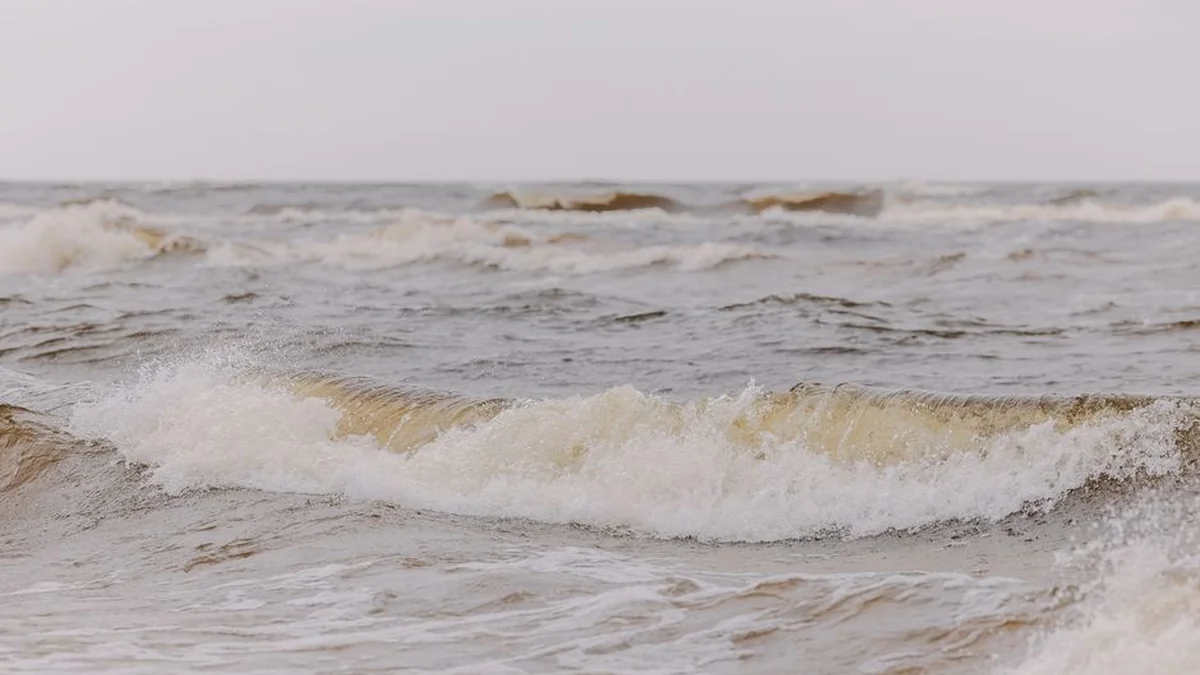
A meteocunami is a natural oceanic event classified as a rare weather-induced hazard, distinct from seismic tsunamis. This specific phenomenon originates not from geological activity, but from significant atmospheric disturbances occurring over large bodies of water. The process is typically initiated by the passage of a strong storm system or a pronounced cold front, which causes a rapid and substantial change in atmospheric pressure across the sea surface.
This sudden pressure differential acts as the trigger, generating a long-period wave that propagates outward across the ocean. The intensity of the resulting wave is significantly amplified through a process known as resonance. Resonance occurs when the speed at which the weather disturbance moves aligns closely with the speed of the generated wave, causing the wave energy to accumulate and strengthen progressively.
As this energy-laden wave moves into shallower coastal waters or confined harbor areas, it undergoes shoaling, a process that can cause a marked increase in vertical wave height. The resulting impacts can manifest with abrupt onset. Observers may witness rapid sea level fluctuations, characterized by sudden rises or falls over mere minutes, accompanied by powerful and unpredictable nearshore currents.
Consequently, the potential hazards associated with a meteocunami include severe coastal inundation and localized flooding, necessitating advanced monitoring and early warning systems.
Topics: #wave #meteocunami #phenomenon