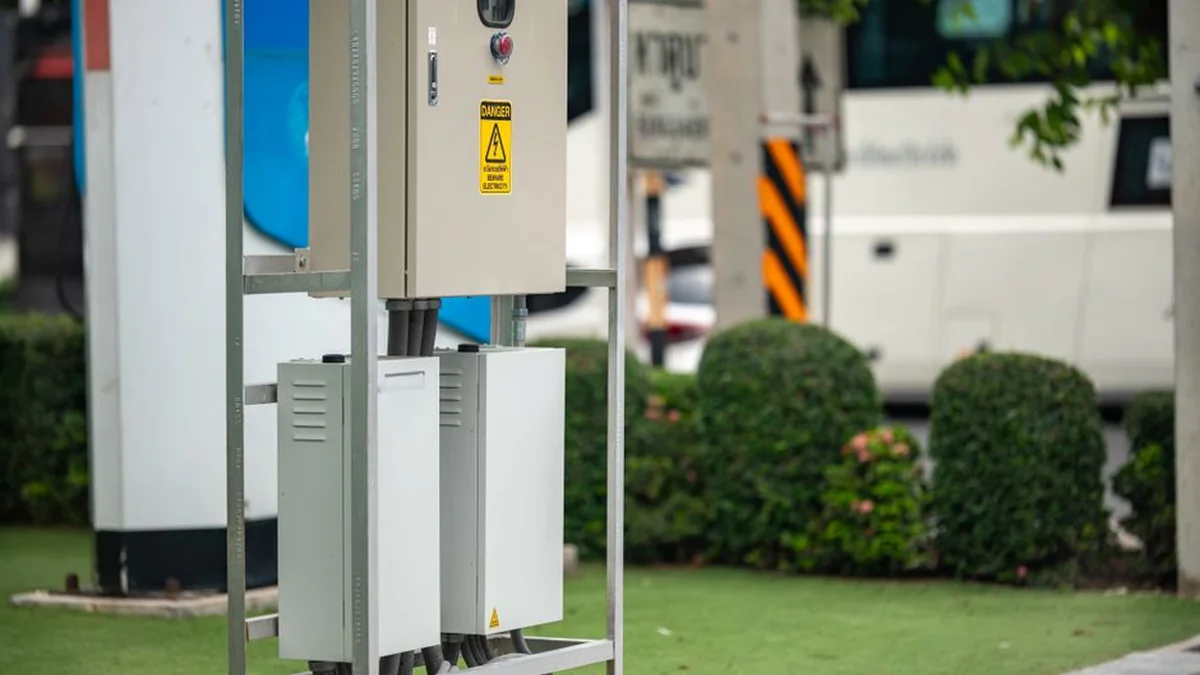
The transition toward electric vehicle fleets appears to be an unavoidable trend, yet significant questions remain regarding whether current charging infrastructure and vehicle usability are sufficient to ensure that the benefits of e-mobility consistently outweigh existing limitations. To examine this practical reality, an assessment was conducted in a country recognized as a leader in the sector, boasting that nearly 95% of new vehicles are electric, supported by an extensive network of approximately 30,000 charging stations. Rather than relying solely on governmental projections or statistical data, the investigation focused on real-world performance by measuring operational distances.
These tests were conducted across varied terrains, including remote regions within the Scandinavian nation. The findings indicated that, under optimal operational conditions and when paired with appropriately equipped vehicles, electric transport can provide a genuinely enjoyable and functional experience. While the initial premise suggests inherent skepticism regarding the feasibility of widespread adoption, the practical measurements suggest a maturing ecosystem.
The success observed in this market leader points toward substantial advancements in both battery technology and the supporting charging network. These empirical findings suggest that while challenges persist, the current state of infrastructure is enabling a level of mobility that moves beyond mere theoretical potential. The operational data collected provides tangible evidence regarding the viability of widespread electric adoption in varied geographic settings.
Topics: #electric #mobility #infrastructure