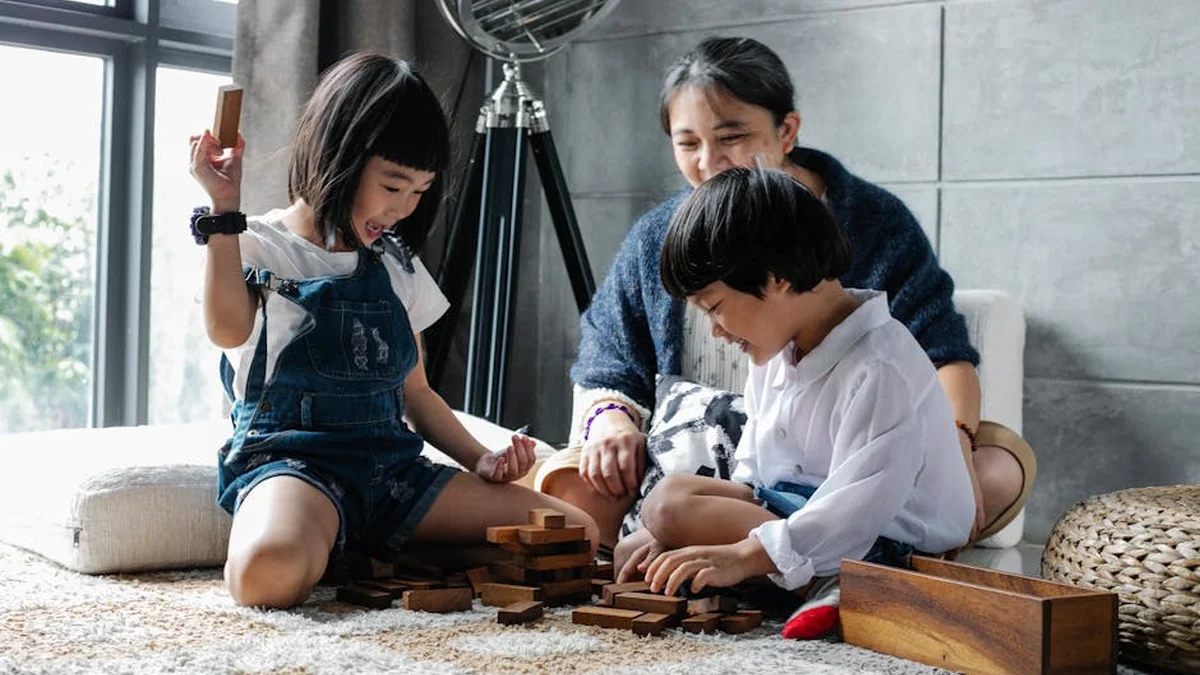
Children Learn ‘Punctuality’ as a Social Strategy
Research suggests that children develop an understanding of social dynamics from a young age, learning to navigate relationships through observed behaviors and responses. The concept of punctuality, in particular, emerges as a significant relational strategy within these early interactions. Studies indicate that when children are consistently rewarded for adhering to schedules and timelines, while negative reactions are directed towards expressions of emotion – such as anger, sadness, or frustration – they begin to unconsciously align their behavior with this expectation.
This isn’t a deliberate choice, but a gradual learning process where the child associates a specific behavior with positive reinforcement and a sense of value. According to Saša Krajnc, “Punctual is who is invisible, unheard and without objection fulfills expectations.” This suggests that the emphasis on adherence to schedules can inadvertently suppress emotional expression. Over time, this pattern extends beyond behavioral adjustments, influencing the child’s approach to their feelings.
Unwanted emotions become associated with negative consequences and, consequently, fade into the background. This process highlights how children internalize social norms, shaping their behavior and emotional responses within relationships.
Topics: #children #punctuality #strategy



It’s concerning to think children are learning to manage their feelings to maintain social harmony.