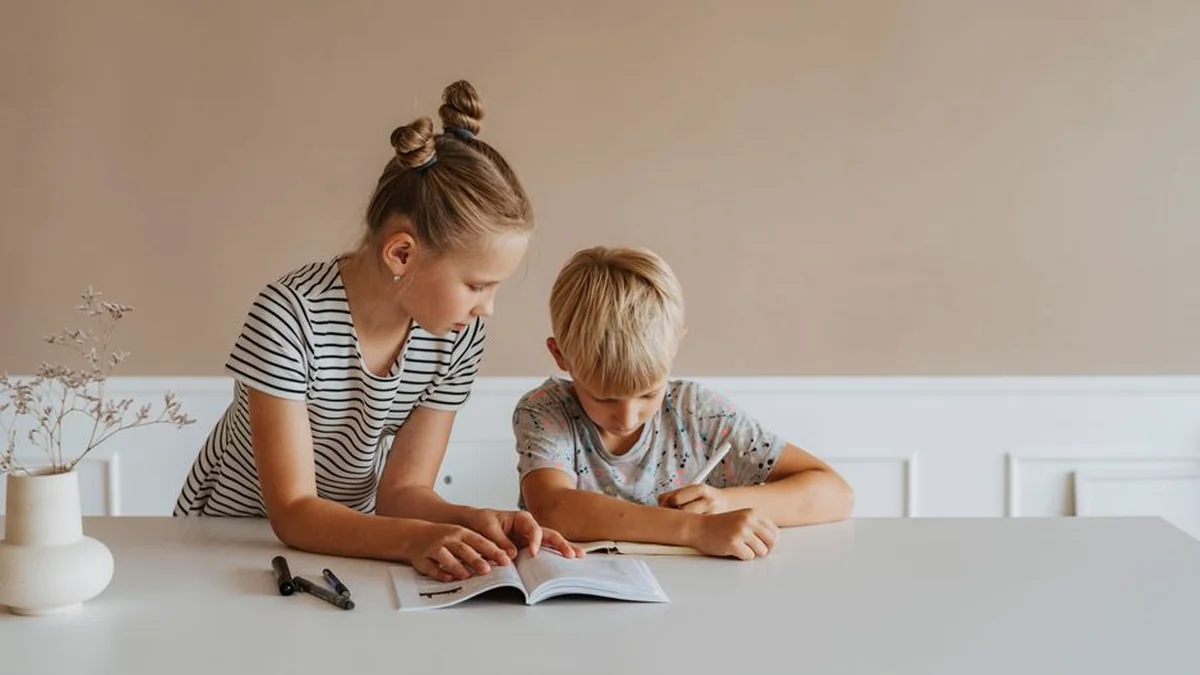
Navigating frequent conflicts between siblings can be emotionally taxing for parents, often leading to questions regarding the depth of the bond or the reasons behind the friction. However, academic understanding suggests that persistent disagreements among siblings do not inherently signal a lack of closeness or a fundamental flaw in their relationship. Instead, such conflicts are frequently viewed as a natural and necessary component of growing up together, providing a crucial environment where children learn vital interpersonal skills.
The arguments may initially appear to center on tangible items, such as toys, shared resources, or parental attention. Yet, beneath the surface of these disputes often lies a deeper exploration of emotional needs. Children are grappling with underlying questions of fairness, perceived equity, and their individual place within the family dynamic—specifically, questions of why they might feel overlooked or less important.
Because of this, children are keen observers of the family unit’s interactions. They carefully monitor patterns of parental response, noting which child receives praise first, who is assisted immediately, or whose behavior elicits a quicker resolution. These interactions form a blueprint for how they anticipate receiving support and validation.
Recognizing this developmental process allows parents to view sibling conflict not merely as a disruptive event, but as a complex, albeit noisy, training ground for emotional intelligence and relationship navigation.
Topics: #siblings #why #learn