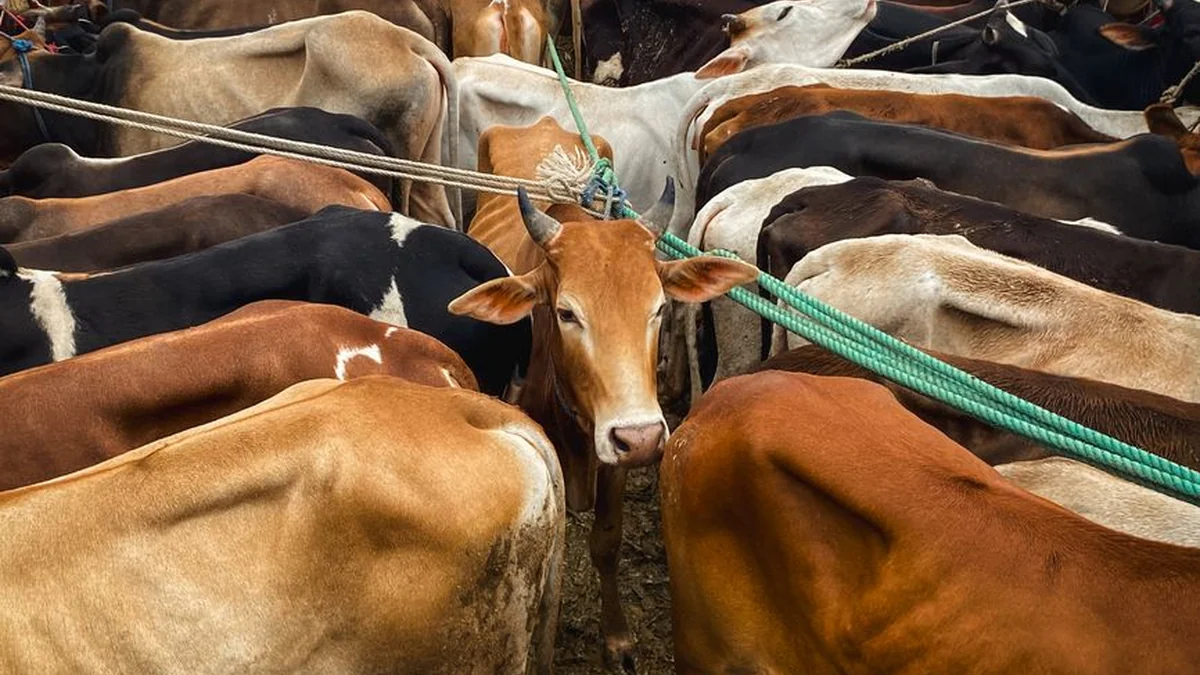
Experts caution that current trends in livestock reduction could precipitate future supply chain issues. Should farmers be compelled to significantly decrease their herds, the resulting market shift may lead to a subsequent shortage of beef and a corresponding rise in prices within the coming months or year. In recent weeks, the volume of cattle arriving for slaughter on the Austrian market has reached levels up to three times the usual rate.
This surge is not attributed to increased consumer demand but rather to exceptional conditions on farms across the region. A record drought has severely diminished the yield of pasture and corn, which constitute the primary feed sources for cattle. Many farmers are reporting difficulties in maintaining adequate nutrition for their animals, leading them to make the difficult decision to prematurely slaughter portions of their herds.
These immediate actions quickly transmit consequences throughout the entire food supply chain. Slaughterhouses currently report receiving approximately 100 cows daily. The underlying issue remains the sustained lack of rainfall, which has critically impacted forage availability.
While the immediate effect is a heightened rate of slaughter, industry observers warn that this drastic culling may destabilize the long-term supply of beef. The rapid disposal of healthy livestock could undermine future production capacity, creating an imbalance between current slaughter rates and future market availability.
Topics: #cows #their #slaughter