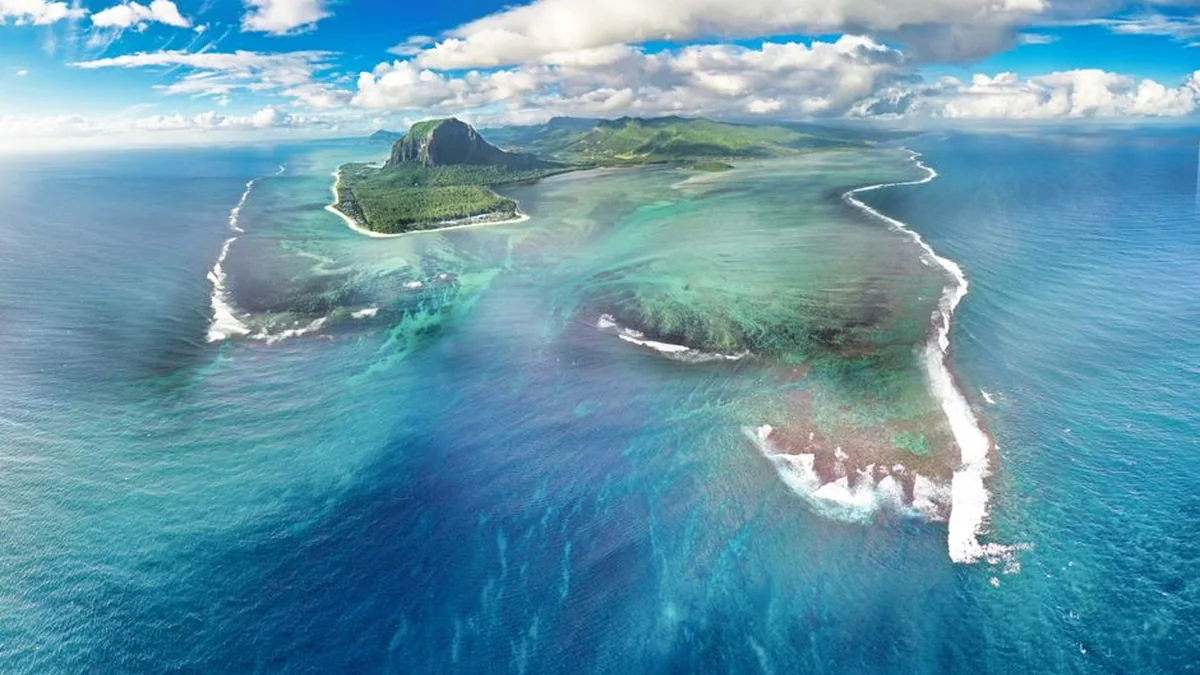
The Sentinelese people inhabit an island considered one of the most isolated communities in the world. Experts estimate that their ancestors arrived on the Andaman Islands over 60,000 years ago, with some projections suggesting a period of separation reaching as far back as 100,000 years from the rest of the world. Due to this profound isolation, detailed knowledge regarding their language, cultural beliefs, and daily routines remains scarce.
Most available information about the tribe is derived from distant observations made from passing ships or aircraft, as direct human contact is almost non-existent. Population estimates suggest the community consists of anywhere from a few dozen to several hundred individuals. This small, forested island, situated in the Bay of Bengal, has long captured the interest of travelers.
However, access to the area is strictly prohibited by Indian authorities, citing paramount concerns regarding visitor safety. The Sentinelese represent a unique anthropological case study due to their sustained separation from modern global society. The extreme remoteness of the location contributes to the limited scope of anthropological data available.
Consequently, researchers must rely heavily on indirect observation to understand the complex structure of this self-contained society. The continued prohibition on entry underscores the delicate balance between scientific curiosity and the preservation of the community’s autonomy and safety within this isolated environment.
Topics: #island #most #world