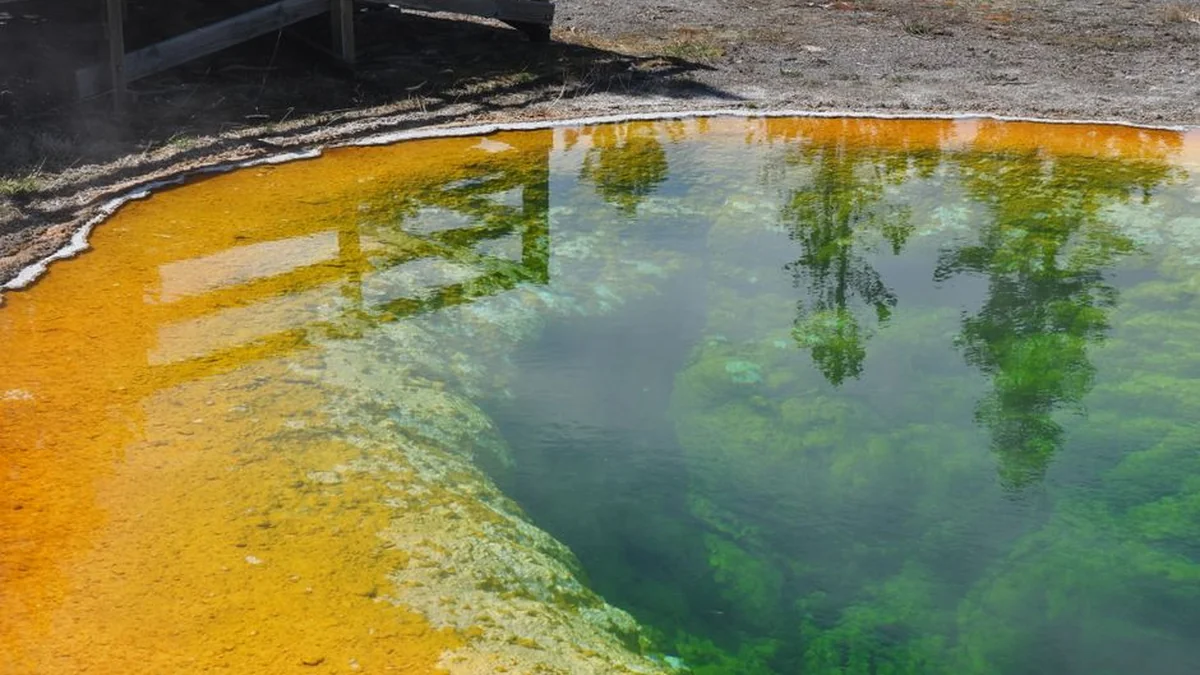
Cyanobacteria constitute a distinct group of bacteria capable of photosynthesis, a process that results in the production of oxygen. These organisms are widely distributed, found in nearly all aquatic environments as well as on terrestrial surfaces. Beyond their ecological role, many species of cyanobacteria offer potential benefits to humans.
However, the Ciano SLO project website notes that these bacteria can produce cyanotoxins, which present potential health hazards. In the short term, typical environmental concentrations of these cyanotoxins are generally not considered harmful to humans, as ingesting a significant volume of water would be required for adverse effects. Nevertheless, prolonged exposure carries various risks, including potential damage to internal organs, the development of tumors, and DNA damage.
Due to these risks, experts advise caution. The institute recommends that individuals swimming in waters exhibiting cyanobacterial blooms or mats should avoid direct contact with these formations and, critically, refrain from ingestion. A precautionary measure suggested is to rinse off any water from the body after swimming in green-tinged water.
This highlights the need for awareness regarding the presence of toxic substances produced by cyanobacteria in aquatic settings.
Topics: #toxic #cyanobacteria #also