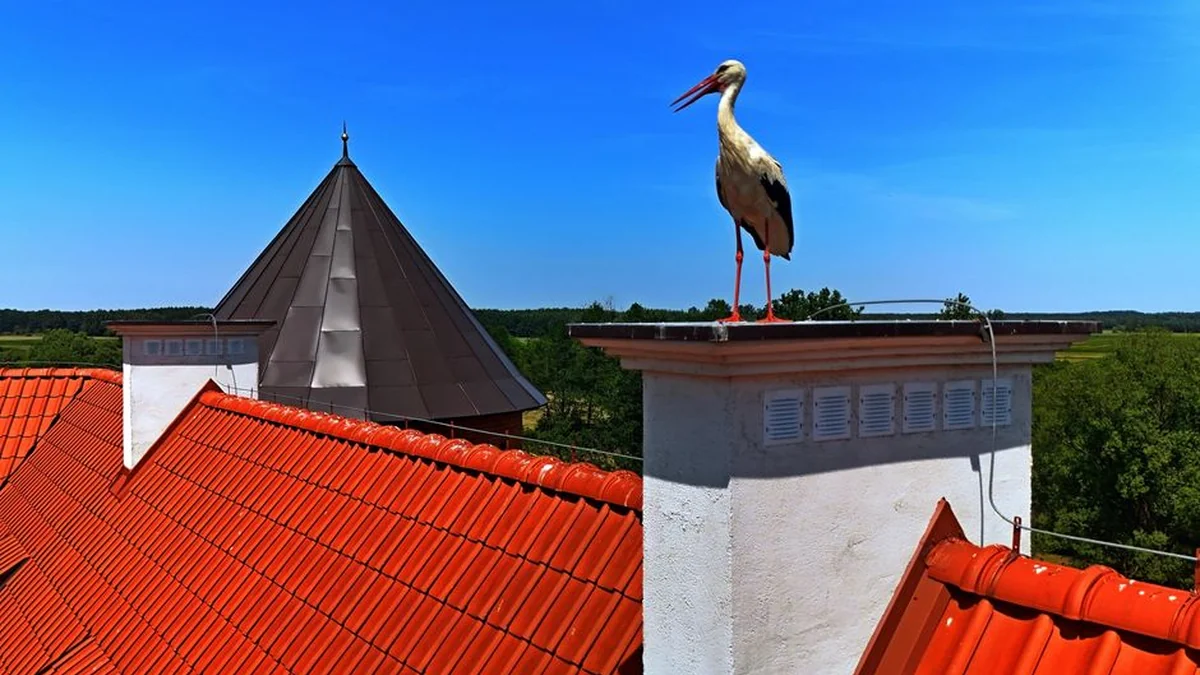
The village of Čigoč holds the distinction of being recognized as the first European “stork village,” a status it has maintained for the past 32 years. According to reports from Euronews, the way the local storks interact with the community sets it apart from other European locations. While many storks typically establish nests on natural features such as trees, cliffs, or coastal areas, the birds in Čigoč have fully integrated into the fabric of the village life.
Davor Anzil of the Čigoč information centre explains that the storks have adapted to build their nests directly on the roofs of both houses and barns, leading to a close and established coexistence with the human residents. However, the area is facing demographic and environmental pressures. As the population of Čigoč ages and younger residents migrate to urban centers, the number of nesting storks is declining.
Furthermore, the availability of food sources is becoming scarcer due to diminishing cultivated agricultural land. Despite these environmental and demographic shifts, the remaining inhabitants of the village have expressed a firm commitment to preserving this unique relationship. Anzil noted that the current sentiment among the residents is one of non-interference, stating that the storks have been present for generations and do not disrupt the daily life of the community.
This enduring rapport between the human population and the resident storks highlights a long-term pattern of mutual adaptation within the structure of the village.
Topics: #storks #village #build