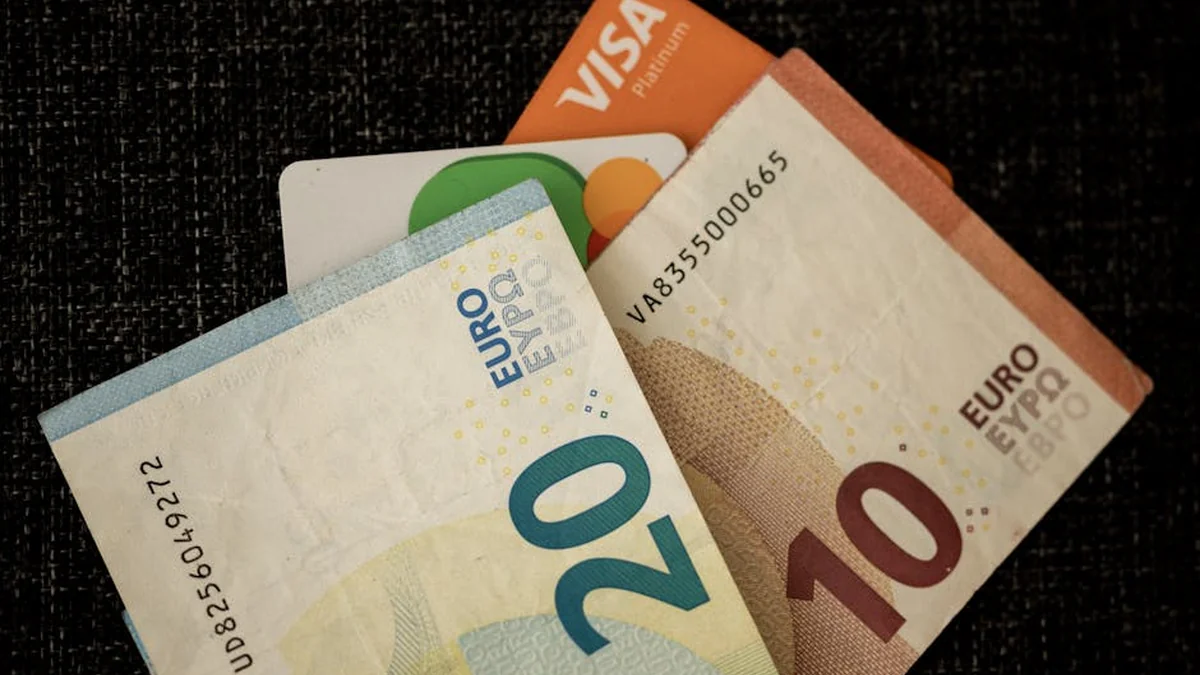
Europe Faces Challenges in Digital Payment Autonomy
Despite the unified euro payments facilitated by the Single Euro Payments Area (SEPA) across Europe, the region continues to rely heavily on international providers for key aspects of its digital payment infrastructure. The issue has evolved beyond a purely technical concern, now encompassing significant economic and security considerations. Recent geopolitical tensions have highlighted the vulnerability of Europe’s payment systems, prompting discussions around costs, data control, and overall system resilience.
The European Central Bank (ECB) has repeatedly cautioned that Europe lacks complete autonomy in everyday digital transactions. Currently, dominant international card schemes largely dictate payment flows within many European countries, with the proportion of national payment solutions steadily declining. These discussions center on several areas, including the operation of card schemes, the rise of immediate payment technologies, and the development of European private initiatives like Wero.
Furthermore, the potential introduction of a digital euro is under active consideration. Moving forward, the focus remains on establishing a more secure and self-sufficient digital payment landscape for Europe.
Topics: #europe #euro #payment



“It’s a smart move to explore greater control over our financial systems within the Eurozone.”
What are the potential benefits of the digital euro for European businesses?