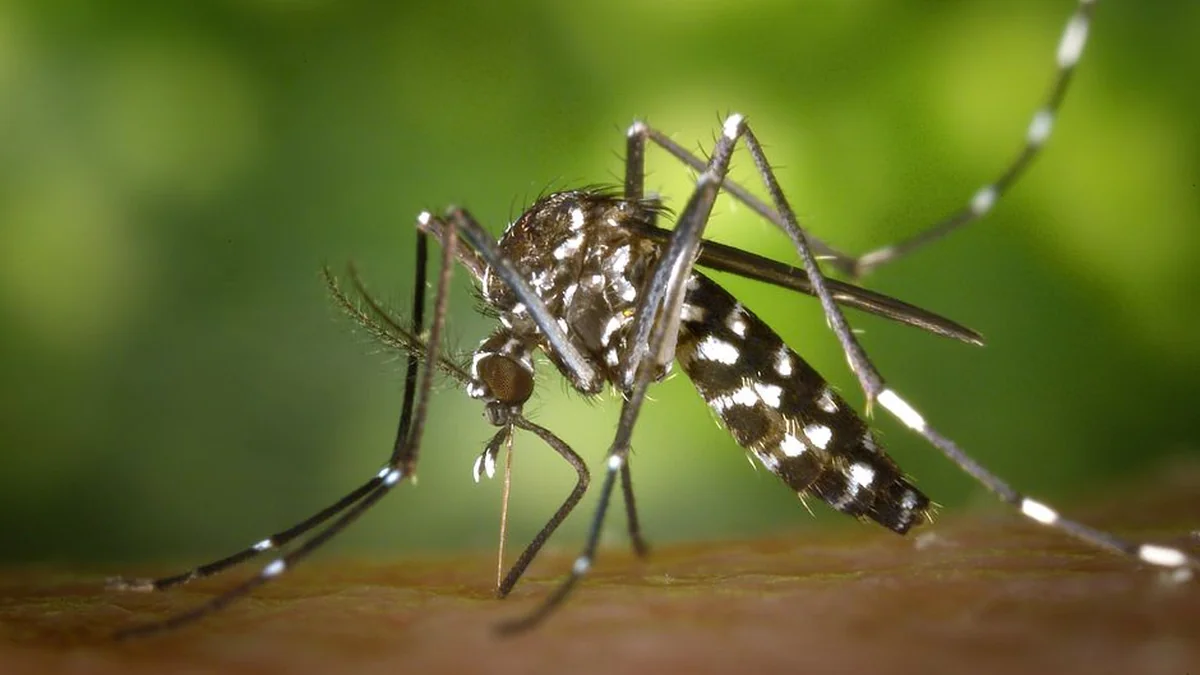
Tiger mosquitoes, an invasive species, have become a significant ecological concern across Slovenia. According to Dr. Katja Adam, a biologist and researcher at the University of Primorska, the species has rapidly expanded its reach across the nation.
Historically, the highest concentrations were reported in the Primorska region, followed by the Ljubljana and Novo mesto areas. However, Dr. Adam warns that these mosquitoes are now widely distributed throughout nearly every area of Slovenia.
Beyond the geographical spread, researchers have also investigated the biological mechanisms governing human attraction. A common question arises regarding why some individuals are bitten by mosquitoes more frequently than others. The scientific explanation suggests that the attraction is more complex than simple factors might indicate.
The primary factor mosquitoes utilize to locate potential hosts is carbon dioxide ($\text{CO}_2$), which is naturally exhaled by humans. This chemical signature serves as a crucial orienting mechanism for the insects. While other biological markers may play a role, the detection of exhaled $\text{CO}_2$ remains the most critical element in understanding how mosquitoes target their feeding sites across various areas.
Understanding these behavioral patterns is vital for developing effective mitigation strategies against the widespread mosquito populations.
Topics: #mosquitoes #why #area